Spotify Clone App: How to Build Your Own Music Streaming Platform in 2025
Music streaming has revolutionized the way we consume audio content. With over 600 million active users, Spotify’s model has become the gold standard for music streaming services. But what if you could build your version — a Spotify clone app tailored to your audience and business goals? In this guide, we’ll break down how to develop a music app like Spotify, including the features to include and how to ensure it’s scalable, secure, and profitable.
What Is a Spotify Clone?
A Spotify clone is a custom-built audio streaming app that replicates core Spotify x features, including playlist creation, search functionality, user profiles, real-time streaming, and offline listening. It can be open-source or developed from scratch with added unique features.
Key Features in a Clone Script:
- Unlimited song streaming
- Playlist curation
- In-app ads or premium subscriptions
- Admin panel for music management
- Artist Dashboard
Why Businesses Are Investing in Spotify Clone Apps

Cloning Spotify isn’t just about copying — it’s about leveraging a proven business model and adapting it to niche markets, languages, or regions.
Benefits include:
- Faster time-to-market using pre-built scripts
- High revenue potential from audio ads and subscriptions
- Control over UX/UI
- Ability to integrate regional music catalogs or indie artist platforms
Must-Have Features
To succeed in 2025’s competitive streaming market, your Spotify clone app must offer the following features:
🎧 1. Advanced Music Discovery
Users should find tracks through mood, genre, or location filters. Implement AI-based recommendation systems to enhance session duration.
📱 2. Cross-Platform Access
Offer seamless streaming across web, Android, and iOS devices, just like the Spotify Web Player clone model.
🎵 3. Offline Listening Mode
This is a must-have premium feature that mirrors Spotify’s subscription appeal.
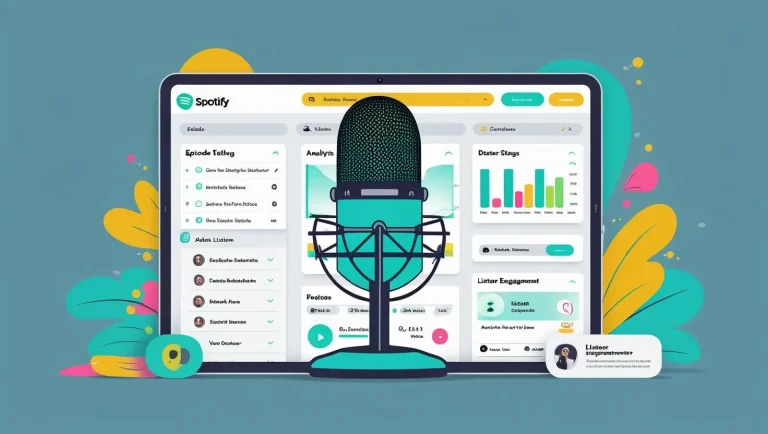
📈 4. Real-Time Analytics Dashboard
Allow users and artists to view streaming data, playlist growth, and popularity trends.
🔐 5. Secure Licensing Management
Ensure your backend supports DRM and copyright compliance for uploaded content.
How to Build a Spotify Clone App (Step-by-Step)
Step 1: Choose Your Tech Stack
Use robust frameworks and APIs for speed and scalability:

- Frontend: React or Flutter
- Backend: Node.js + MongoDB
- Streaming: Wowza, AWS MediaConvert
- Payment: Stripe, Razorpay
Step 2: Integrate a Music Library
Utilize open APIs (such as SoundCloud or Jamendo) or license your music database to access and utilize it effectively.
Step 3: Design a User-Friendly UI
Focus on a minimal yet immersive experience. Make music discovery intuitive and responsive.
Step 4: Launch an MVP
Test your clone app with a basic version — music playback, login, and search — before scaling.
Monetization Strategies for a Spotify Clone App
The most successful music streaming clone apps generate revenue through:
- Freemium Subscriptions: Free access with ads, premium access without.
- Audio Ads: Monetize non-premium users with in-app ads.
- In-App Purchases: Offer exclusive content or artist shout-outs.
- White-label Licensing: License your clone as a SaaS platform for musicians or labels.
Is It Legal to Use a Spotify Clone Script?
Yes — as long as you’re not using Spotify’s branding or copyrighted content. A Spotify clone is essentially a template. What matters is how you populate it: legally licensed tracks, your own design and UI, and custom backend logic.
Always consult legal counsel regarding music distribution rights.
FAQs About Spotify Clone Development
Conclusion: Should You Launch a Spotify Clone App in 2025?
Absolutely — if done right. A Spotify clone gives you the foundation to enter the booming audio streaming market quickly. With smart monetization, user-centric features, and the proper legal structure, your clone app can turn into a full-fledged platform that rivals the big players.
If you’re ready to disrupt the music world, now is the perfect time to build your own Spotify-like app — uniquely branded and purpose-built for your audience.